
Every homeowner starts somewhere. Maybe you’ve just moved into your first house, or perhaps you’re tired of calling a handyman for every loose hinge or dripping faucet. The truth is, you don’t need an entire workshop to handle basic home repairs—you just need the right tools.
Building a beginner’s home repair toolkit doesn’t have to be expensive or overwhelming. Start with the essentials, learn how to use them safely, and add more specialized tools as your confidence grows. Here’s how to put together a toolkit that’s ready for everyday repairs and DIY projects.
Start with the Basics
Before investing in fancy gadgets or power tools, focus on the hand tools you’ll reach for most often. These are the items that solve the majority of common household problems.
Your starter toolkit should include:
- Claw hammer
- Tape measure
- Adjustable wrench
- Slip-joint pliers
- Needle-nose pliers
- Utility knife
- Level
- Screwdriver set (Phillips and flathead)
- Hex key (Allen wrench) set
These tools are useful for hanging shelves, tightening hardware, assembling furniture, fixing doors, and handling dozens of other everyday tasks.
Buy Quality, Not Quantity
It’s easy to be tempted by massive toolkits that promise 150 or even 300 pieces. While they look impressive, many include duplicate items or tools you’ll rarely use.
Instead, spend a little more on well-made essentials. A comfortable hammer, durable screwdriver set, and reliable wrench will perform better and last much longer than inexpensive alternatives.
Think of your toolkit as something you’ll build over time rather than buying all at once.
Keep Essential Fasteners on Hand
Even the best tools aren’t much help if you don’t have the hardware to finish the job.
A small organizer filled with common fasteners can save countless trips to the hardware store. Stock it with:
- Assorted wood screws
- Drywall screws
- Nails
- Wall anchors
- Picture hanging hooks
- Washers
- Nuts and bolts in common sizes
Keeping these organized makes repairs quicker and far less frustrating.
Add a Few Helpful Supplies
Some of the most useful items in a repair kit aren’t tools at all.
Consider including:
- Duct tape
- Electrical tape
- Painter’s tape
- Super glue
- Wood glue
- Silicone caulk
- Sandpaper (various grits)
- Zip ties
- Flashlight with extra batteries
- Work gloves
- Safety glasses
These inexpensive supplies often solve problems faster than replacing parts or making emergency trips to the store.
Organize Everything in One Place
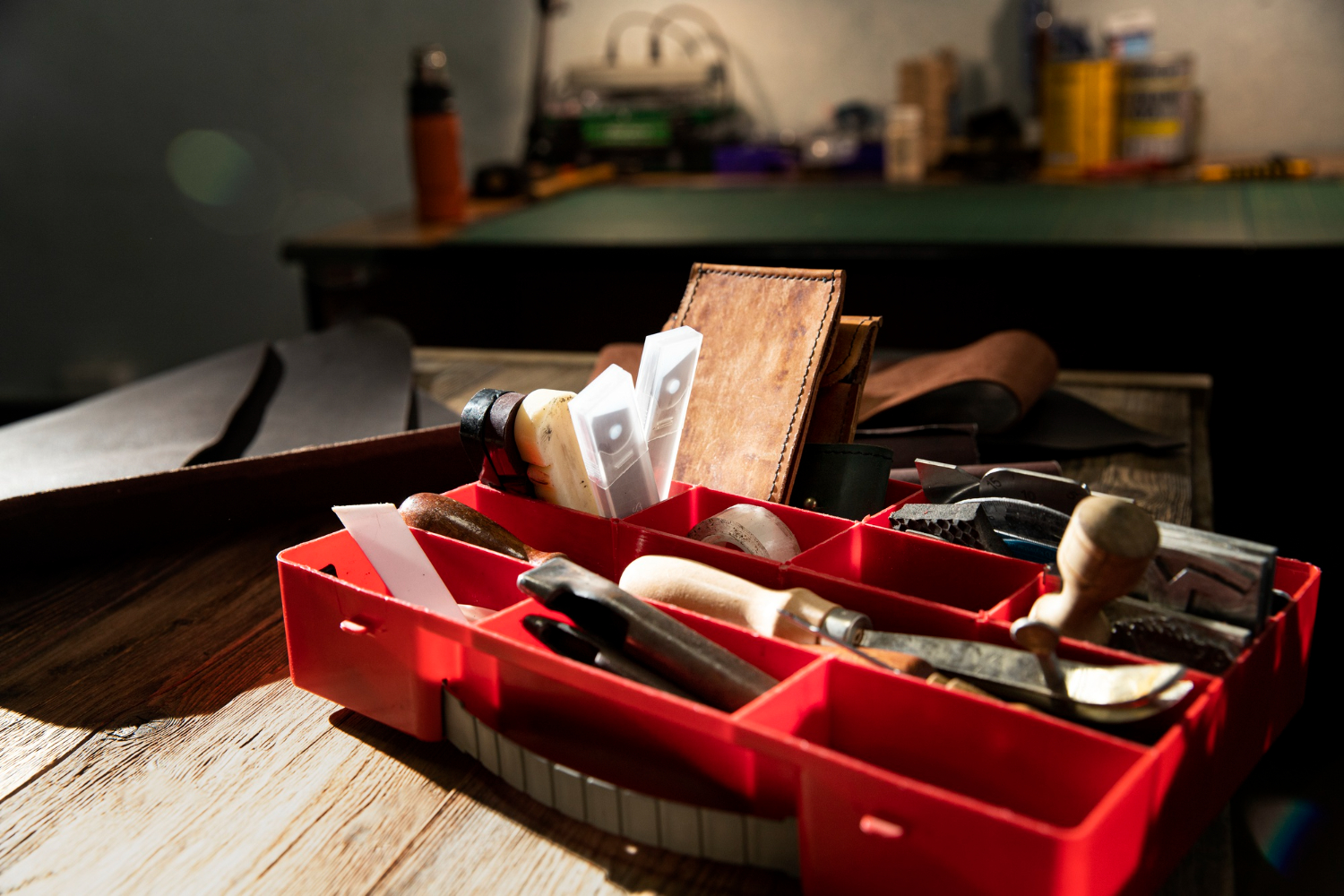
A toolbox isn’t just about storage—it’s about convenience. When everything has a designated place, you spend less time searching and more time getting the job done.
Choose a toolbox that’s large enough to grow with your collection. Models with removable trays or divided compartments make it easier to organize smaller items like screws, drill bits, and fasteners.
For homeowners planning to expand into larger DIY projects, a rolling toolbox or portable tool chest can be a worthwhile investment.
Learn as You Go
Owning tools is only half the equation. Learning how to use them properly builds confidence and helps you avoid costly mistakes.
Start with simple projects like:
- Tightening loose cabinet handles
- Hanging picture frames
- Replacing door knobs
- Fixing squeaky hinges
- Installing curtain rods
- Patching small holes in drywall
Each completed project teaches new skills while making your home a little better.
Know When to Call a Professional
A well-stocked toolkit is great for everyday maintenance, but not every repair is a DIY project.
Electrical work involving your home’s wiring, major plumbing repairs, structural issues, and gas line work should generally be left to licensed professionals. Knowing your limits is just as important as knowing how to use a wrench.
Expand Your Toolkit Over Time
As you gain experience, you’ll naturally discover tools that make projects easier.
Good additions include:
- Cordless drill and driver
- Stud finder
- Socket wrench set
- Putty knife
- Pry bar
- Adjustable pliers
- Small hand saw
- Voltage tester
- Pipe wrench
- Clamps
There’s no need to buy everything immediately. Add tools when a project calls for them, and your collection will grow with your skills.
Building a beginner’s home repair toolkit is one of the smartest investments a homeowner can make.
With a handful of reliable tools, some basic supplies, and a willingness to learn, you’ll be prepared to handle many common repairs without relying on outside help.
Remember, every experienced DIYer started with a simple toolbox and a willingness to tackle their first project. Start small, build your toolkit gradually, and you’ll be surprised by how much you can accomplish around your home.