
If you’re shopping for power tools, one of the first decisions you’ll face is whether to go corded or cordless. Years ago, the answer was simple—corded tools delivered more power, while cordless models offered convenience at the expense of performance. Today, advances in battery technology have narrowed that gap considerably.
So, which option is right for you? The answer depends on the type of projects you tackle, how often you use your tools, and where you work. Understanding the strengths and limitations of each can help you make a smarter investment.
What Are Corded Power Tools?
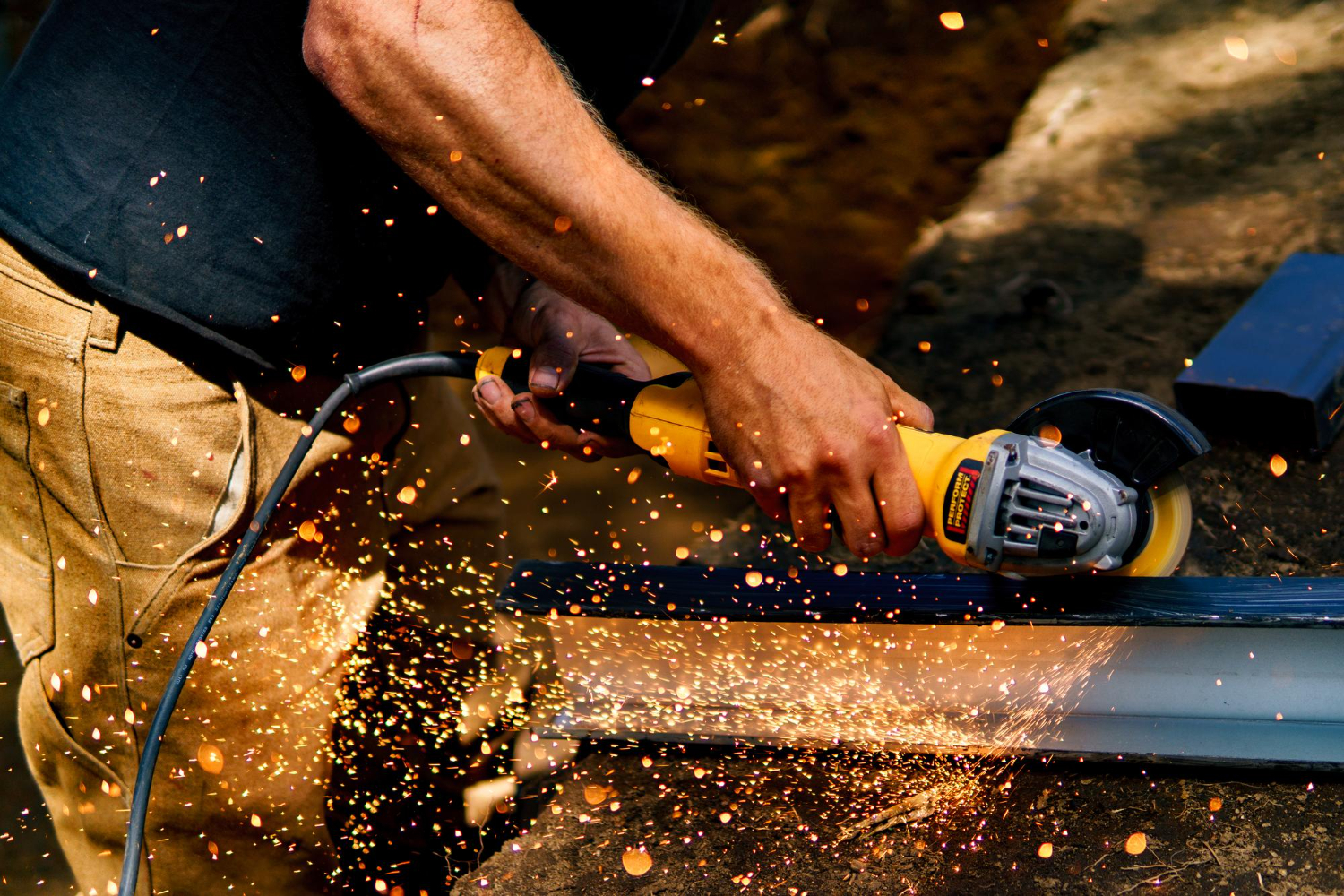
Corded power tools plug directly into an electrical outlet, providing a constant source of power. Since they don’t rely on batteries, they can run continuously without needing to recharge.
Common corded tools include:
- Circular saws
- Angle grinders
- Rotary hammers
- Reciprocating saws
- Routers
- Belt sanders
These tools have long been the go-to choice for professionals who need dependable, uninterrupted performance.
What Are Cordless Power Tools?
Cordless power tools operate using rechargeable lithium-ion batteries. Instead of being connected to an outlet, they provide complete freedom of movement, making them especially useful on job sites or in areas without easy access to electricity.
Popular cordless tools include:
- Drill drivers
- Impact drivers
- Circular saws
- Jigsaws
- Nail guns
- Leaf blowers
Many manufacturers now offer entire tool systems that allow one battery to power dozens of different tools.
Power and Performance
For heavy-duty applications, corded tools still have a slight edge. Because they’re connected to a continuous power source, they maintain consistent performance throughout demanding jobs.
Tasks like cutting thick hardwood, grinding metal, or drilling into concrete often benefit from the sustained power of a corded tool.
That said, modern cordless tools have become remarkably capable. Premium 18V and 20V platforms can handle most home improvement projects without feeling underpowered. For the average homeowner, the performance difference is often negligible.
Portability and Convenience
This is where cordless tools shine.
Without a power cord to manage, you can work almost anywhere—whether you’re installing a fence, repairing a roof, or working at the far end of your yard.
Cordless tools also eliminate the hassle of:
- Finding nearby outlets
- Untangling extension cords
- Managing cords around obstacles
- Accidentally cutting a power cable
If mobility is important, cordless tools are hard to beat.
Runtime vs. Unlimited Operation
Corded tools can operate for as long as they’re plugged in, making them ideal for projects that last several hours.
Cordless tools, on the other hand, are limited by battery capacity. While today’s batteries often provide impressive runtime, you’ll eventually need to recharge or swap batteries during longer jobs.
Many experienced DIYers keep two batteries on hand—one in use and one charging—to minimize downtime.
Weight and Balance
Cordless tools include a battery pack, which naturally adds weight. Depending on the tool and battery size, this can make them feel heavier than their corded counterparts.
However, cordless models often have better balance because the battery is positioned beneath the handle, helping distribute weight more evenly.
For overhead work, lighter batteries can reduce fatigue, while larger batteries provide longer runtime at the cost of added weight.
Cost Considerations
When comparing prices, the answer isn’t always straightforward.
Corded tools usually have a lower upfront cost because they don’t include batteries or chargers.
Cordless tools often cost more initially, especially if you’re buying your first battery-powered system. However, once you own compatible batteries, adding additional “tool-only” products becomes much more affordable.
If you plan to expand your collection over time, sticking with one battery platform can save money in the long run.
Maintenance
Both types of tools require basic care, but cordless models have an extra component to consider: the battery.
To extend battery life:
- Store batteries in a cool, dry place.
- Avoid exposing them to extreme temperatures.
- Recharge before they’re completely depleted when possible.
- Use the manufacturer’s recommended charger.
Corded tools don’t require battery maintenance, but you should regularly inspect power cords for cuts, fraying, or other damage.
Which One Is Best for Homeowners?
For most homeowners, cordless tools offer the best combination of convenience and performance.
A cordless drill, impact driver, and circular saw can handle the majority of DIY projects, from assembling furniture to building raised garden beds.
However, if you frequently tackle larger renovation projects or spend long hours cutting dense materials, a corded circular saw or grinder may still be the better option.
When to Choose Corded Tools
Corded tools are a smart choice if you:
- Work for extended periods without breaks
- Need maximum, consistent power
- Don’t mind using extension cords
- Primarily work in a garage or workshop
- Want a lower initial purchase price
They’re especially useful for demanding jobs where continuous operation is essential.
When to Choose Cordless Tools
Cordless tools are ideal if you:
- Value portability and convenience
- Work in multiple locations
- Frequently perform quick repairs
- Don’t always have access to electrical outlets
- Want a cleaner, cord-free workspace
For many DIY enthusiasts, the ability to grab a tool and start working immediately outweighs the need for unlimited runtime.
Can You Have Both?
Absolutely. In fact, many experienced homeowners and professionals do.
A cordless drill or impact driver is perfect for everyday repairs and installations, while a corded circular saw or grinder can handle more demanding tasks that require continuous power.
Building a mixed collection allows you to take advantage of the strengths of both systems without compromising on performance or convenience.
The debate between corded and cordless power tools isn’t about which option is universally better—it’s about choosing the right tool for the way you work.
Corded tools continue to excel in heavy-duty applications where constant power is essential, while cordless tools offer unmatched mobility, convenience, and flexibility for everyday projects.
For most homeowners, a quality cordless tool system is an excellent place to start. As your DIY skills and project list grow, you can always add a few corded tools for specialized tasks. In the end, the best toolbox is one that gives you the right tool for every job—not just one type of power source.