
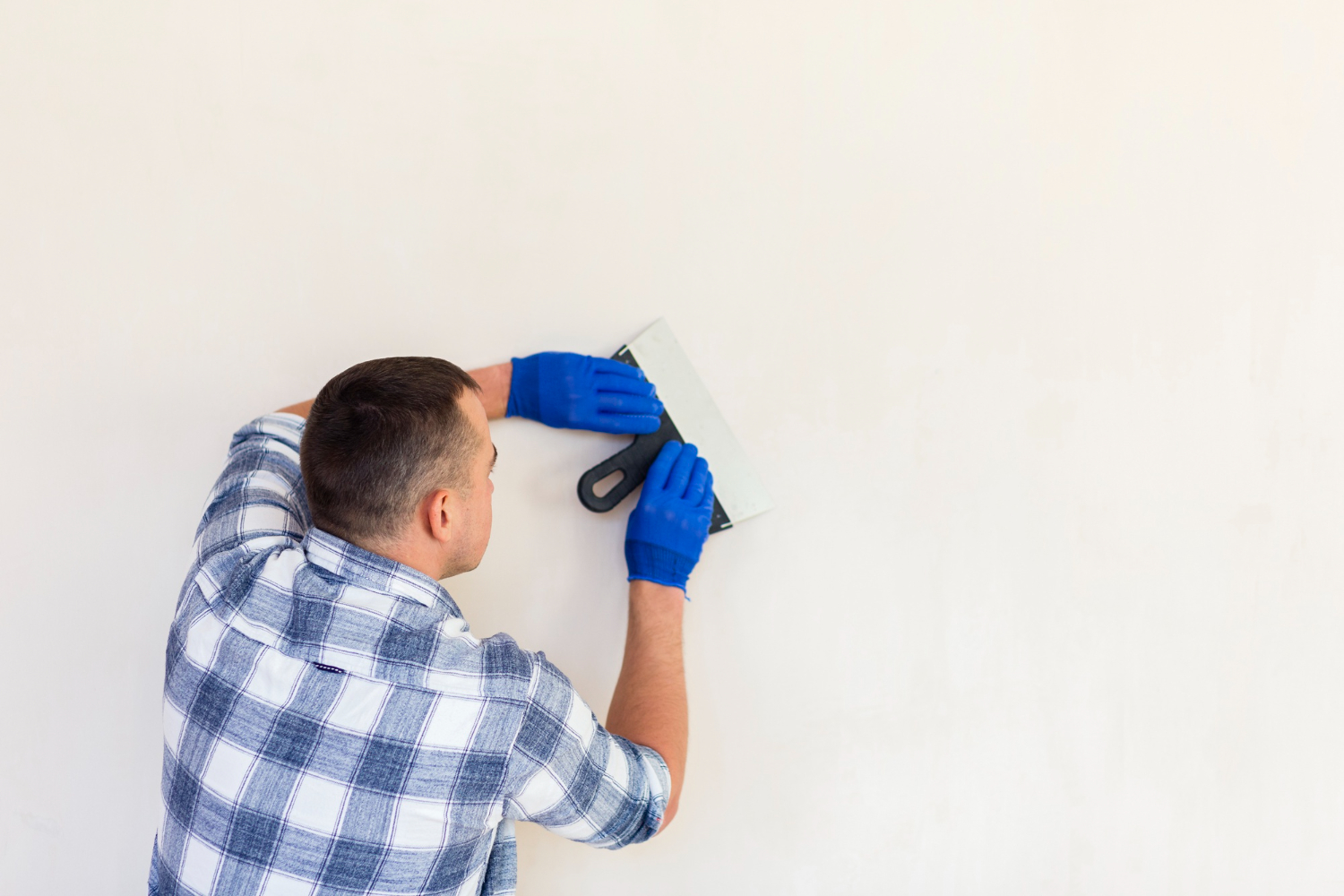
At some point in any home repair journey, you’ll stand in the paint aisle staring at two nearly identical-looking tubs: spackling and joint compound. They both promise to fix holes, smooth walls, and make damage disappear. So what’s the difference—and more importantly, which one should you actually use?
The truth is, while these products overlap in function, they’re designed for different kinds of jobs. Choosing the right one can save you time, sanding effort, and a lot of unnecessary frustration.
What Is Spackling?
Spackling (or spackle) is a lightweight patching compound designed for small, quick repairs. It’s pre-mixed, easy to apply, and dries relatively fast.
Think of it as your “quick fix” wall repair material.
Best Uses for Spackling
Spackling is ideal for:
- Nail holes from picture frames
- Small dents and dings
- Minor surface chips
- Light cosmetic wall damage
- Quick touch-ups before painting
It’s especially useful when you want a fast, low-effort repair that blends into the wall with minimal sanding.
Why Homeowners Like It
Spackling is popular because:
- It’s ready to use straight from the container
- Dries quickly (often within 30 minutes to a few hours)
- Sands easily
- Works well for small, shallow repairs
For most everyday wall touch-ups, spackling is all you need.
What Is Joint Compound?
Joint compound—often called drywall mud—is a heavier-duty material used for larger drywall work. It’s what professionals use when installing or finishing drywall seams.
Unlike spackling, it’s designed for broader coverage and more structural finishing work.
Best Uses for Joint Compound
Joint compound is better suited for:
- Taping and finishing drywall seams
- Larger holes or damaged areas
- Smoothing uneven wall surfaces
- Texturing walls
- Multi-layer drywall repairs
It’s not just for patching—it’s part of the full drywall finishing system.
Why It’s Different
Joint compound:
- Takes longer to dry (often several hours or overnight per coat)
- Shrinks slightly as it dries, often requiring multiple coats
- Requires more sanding and skill
- Produces a smoother, more professional finish over large areas
It’s more versatile than spackling, but also more work.
Key Differences at a Glance
While both products fill holes and smooth surfaces, they’re built for different scales of repair.
Spackling
- Small repairs
- Fast drying
- Minimal shrinkage
- Easy for beginners
- Best for quick touch-ups
Joint Compound
- Larger drywall work
- Slower drying
- Often requires multiple coats
- Used in drywall installation and finishing
- Better for smoothing bigger surfaces
Which One Should You Use?
The answer depends entirely on the size and purpose of your repair.
Use Spackling When:
You’re dealing with:
- Nail holes
- Tiny dents
- Minor wall blemishes
- Fast repairs before painting or moving furniture
If the damage is smaller than a coin, spackling is usually the right choice.
Use Joint Compound When:
You’re working on:
- Holes larger than a quarter
- Damaged drywall sections
- Seams between drywall panels
- Areas that need to be leveled or blended
If the repair requires layering or rebuilding surface texture, joint compound is the better option.
Can You Use Them Interchangeably?
Sometimes—but with limits.
You can use spackling in place of joint compound for very small drywall repairs, but it won’t perform as well for larger patches. It may shrink or crack if applied too thickly.
On the other hand, you can use joint compound for small holes, but it’s overkill. It takes longer to dry, requires more sanding, and isn’t as convenient for quick fixes.
In short:
- Spackling can’t replace joint compound for big jobs
- Joint compound can replace spackling, but it’s not efficient for small ones
Drying Time and Finishing Differences
One of the biggest practical differences is how each material behaves after application.
Spackling dries quickly and is usually ready to sand and paint within the same day. This makes it ideal for last-minute touch-ups.
Joint compound, however, often requires multiple thin layers. Each layer must dry fully before the next is applied. While this takes longer, it produces a more seamless finish on larger surfaces.
Which One Belongs in Your Toolbox?
For most homeowners, spackling should be the default choice. It handles the majority of everyday wall repairs and is easy enough for beginners to use confidently.
Joint compound is worth keeping on hand if you:
- Plan to do drywall installation
- Frequently repair larger wall damage
- Want to tackle more advanced home projects
Many DIYers eventually keep both, using each for its intended purpose.
Common Mistakes to Avoid
A few simple mistakes can make wall repairs more noticeable than the original damage:
- Applying too much material at once
- Skipping sanding between layers
- Using joint compound for quick cosmetic fixes without time to dry
- Not feathering edges when smoothing
- Painting before the repair is fully cured
A light, patient approach almost always gives the best results.
Spackling and joint compound aren’t competing products—they’re tools for different levels of the same job.
Spackling is your quick, convenient solution for everyday wall imperfections. Joint compound is your heavy-duty option for larger repairs and professional-quality drywall finishing.
If you’re building a basic home repair kit, start with spackling. Add joint compound when your projects start going beyond simple touch-ups. Knowing when to use each one is what separates a rushed patch job from a clean, invisible repair.