
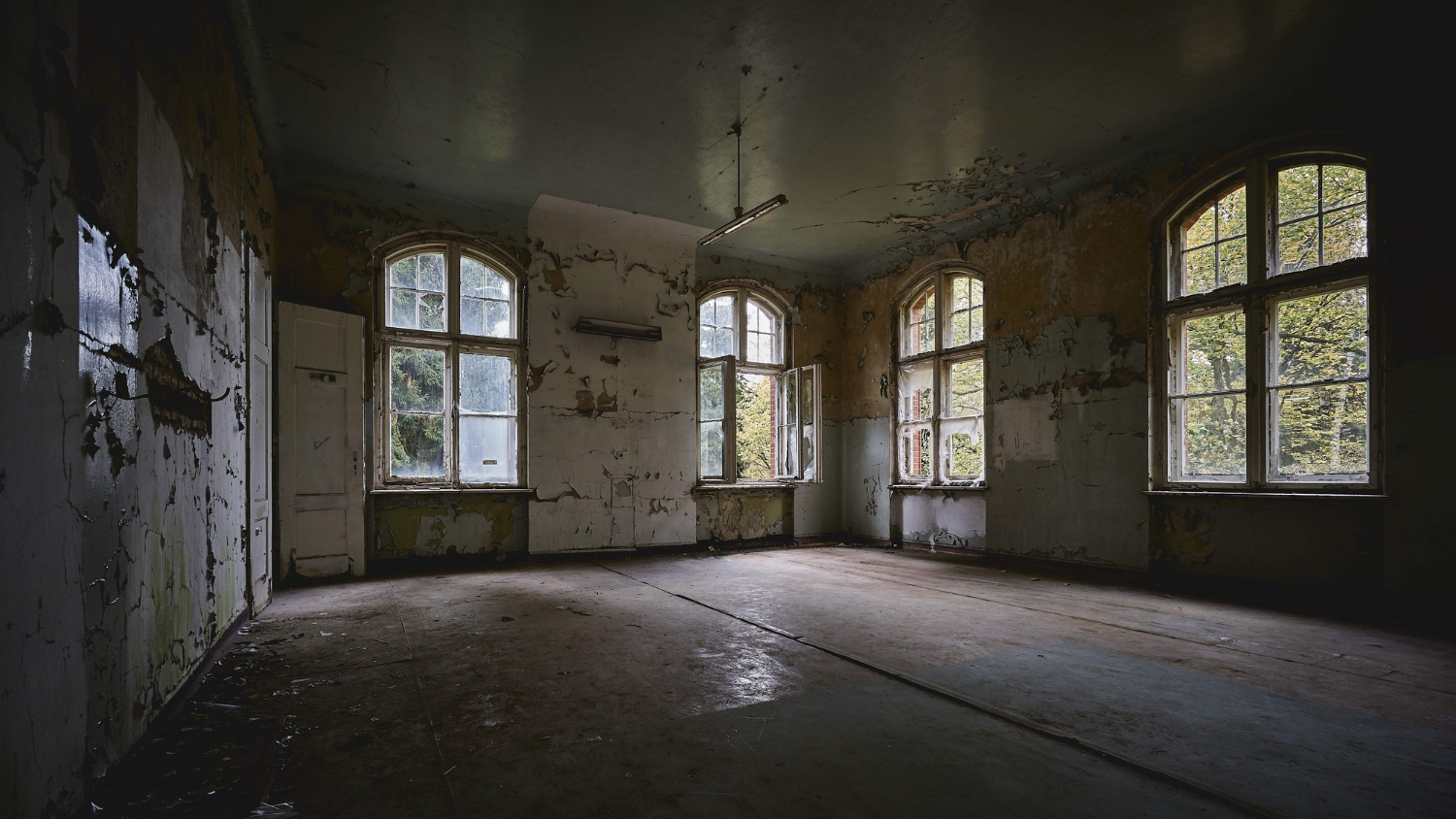
Most wall damage is well within the reach of a DIY homeowner. Small nail holes, minor dents, and hairline cracks can usually be repaired with a little spackle, sandpaper, and paint. But not every problem is cosmetic. Sometimes, what looks like a simple crack or stain is actually a warning sign of a much larger issue hidden behind the wall.
Knowing when to put down the putty knife and call a professional can save you from costly repairs, protect your home’s structure, and even prevent potential safety hazards.
Cosmetic Damage vs. Serious Problems
The first step is figuring out whether the damage affects only the wall’s surface or if it points to something deeper.
Cosmetic issues typically include:
- Nail and screw holes
- Small dents and dings
- Minor scratches
- Tiny chips in drywall
- Hairline surface cracks that haven’t changed over time
These repairs are usually quick, inexpensive, and perfect for DIY projects.
More serious damage often comes with additional warning signs, such as movement, moisture, or recurring problems.
Large or Expanding Cracks
A small hairline crack isn’t usually a cause for concern, especially in newer homes that are still settling. However, larger cracks deserve closer attention.
Consider contacting a professional if you notice:
- Cracks wider than 1/8 inch
- Cracks that continue to grow
- Long horizontal cracks
- Stair-step cracks near masonry or brick walls
- Multiple cracks appearing in different rooms
These may indicate foundation movement, structural shifting, or framing issues that require a proper inspection.
Water Damage
Water is one of the most destructive forces inside a home.
If a wall shows signs of moisture, simply patching and repainting the surface won’t solve the problem.
Watch for:
- Brown or yellow stains
- Bubbling or peeling paint
- Soft drywall
- Swollen wall surfaces
- Musty odors
- Visible mold or mildew
These symptoms often point to plumbing leaks, roof problems, or poor ventilation. The source of the moisture should always be repaired before restoring the wall.
Sagging or Bulging Walls
Walls should be flat and stable.
If part of a wall appears to bulge outward, bow inward, or sag, it’s time for a professional evaluation.
Possible causes include:
- Water damage
- Damaged framing
- Structural movement
- Loose drywall
- Hidden plumbing issues
Ignoring these problems can allow the damage to worsen over time.
Repeated Cracks in the Same Spot
Have you repaired the same crack more than once?
Recurring cracks often suggest that the wall is still moving. Simply filling the crack again may only provide a temporary solution.
A contractor or structural specialist can determine whether the movement is caused by:
- Foundation settlement
- Seasonal structural movement
- Poor drywall installation
- Framing problems
Identifying the root cause is far more effective than repeatedly repairing the surface.
Mold Behind the Wall
Visible mold is concerning, but hidden mold can be even more problematic.
If you notice:
- A persistent musty smell
- Dark stains returning after cleaning
- Moisture that won’t dry
- Signs of water intrusion
there’s a chance mold has developed inside the wall cavity.
Large mold problems often require specialized removal procedures to prevent spores from spreading throughout the home.
Electrical or Plumbing Damage
Sometimes wall damage is connected to systems hidden behind the drywall.
You should avoid DIY repairs if the damaged area contains:
- Electrical wiring
- Plumbing pipes
- Gas lines
- HVAC ductwork
Opening walls without knowing what’s inside can create safety risks and lead to expensive repairs.
If you suspect damage involving utilities, have the problem assessed before cutting into the wall.
Holes That Are Too Large for a Simple Patch
Small holes from nails or door handles are easy to repair.
Larger holes, especially those wider than several inches, may require:
- Cutting out damaged drywall
- Installing backing supports
- Fitting a new drywall section
- Taping joints
- Applying multiple layers of joint compound
Many experienced DIYers can complete this type of repair, but if the damage is extensive or affects multiple wall sections, hiring a professional often produces better long-term results.
Damage Caused by Pests
Sometimes damaged drywall isn’t caused by accidents at all.
Signs of pest-related problems include:
- Small holes appearing unexpectedly
- Crumbling drywall
- Scratching sounds inside walls
- Droppings near damaged areas
- Hollow-sounding sections of wall
Rodents, termites, and other pests can damage wall materials and even structural framing.
Treating the infestation should always come before repairing the wall.
Fire or Smoke Damage
Even small fires can affect more than the visible surface.
Heat, smoke, and soot may weaken drywall or leave lingering odors that ordinary paint cannot hide.
Professional restoration may be necessary if the wall has:
- Burn marks
- Heavy smoke staining
- Charred materials
- Water damage from firefighting efforts
These situations often require specialized cleaning and restoration products.
Lead Paint and Asbestos Concerns
If your home was built several decades ago, certain repairs may involve hazardous materials.
Older homes may contain:
- Lead-based paint
- Asbestos-containing wall materials
- Textured finishes with hazardous fibers
Sanding or cutting into these materials without proper precautions can create health risks.
If you suspect your home contains hazardous materials, it’s wise to have them tested before beginning repairs.
Choosing the Right Professional
Not every repair requires the same type of contractor.
Depending on the problem, you may need:
- A drywall contractor
- A general contractor
- A plumber
- An electrician
- A mold remediation specialist
- A structural engineer
- A foundation repair expert
Choosing someone who specializes in the underlying issue helps ensure the repair addresses the cause—not just the visible damage.
Many wall repairs are simple DIY projects, but recognizing the limits of those repairs is just as important as knowing how to patch a hole.
Large cracks, water damage, recurring problems, mold, structural movement, and damage involving electrical or plumbing systems often require professional attention.
Fixing the surface without addressing the underlying cause may only hide the problem temporarily. When in doubt, it’s better to have the damage evaluated than to risk a repair that fails—or overlooks a more serious issue. A timely professional inspection can protect your home, preserve its value, and give you peace of mind that the problem has been handled correctly.