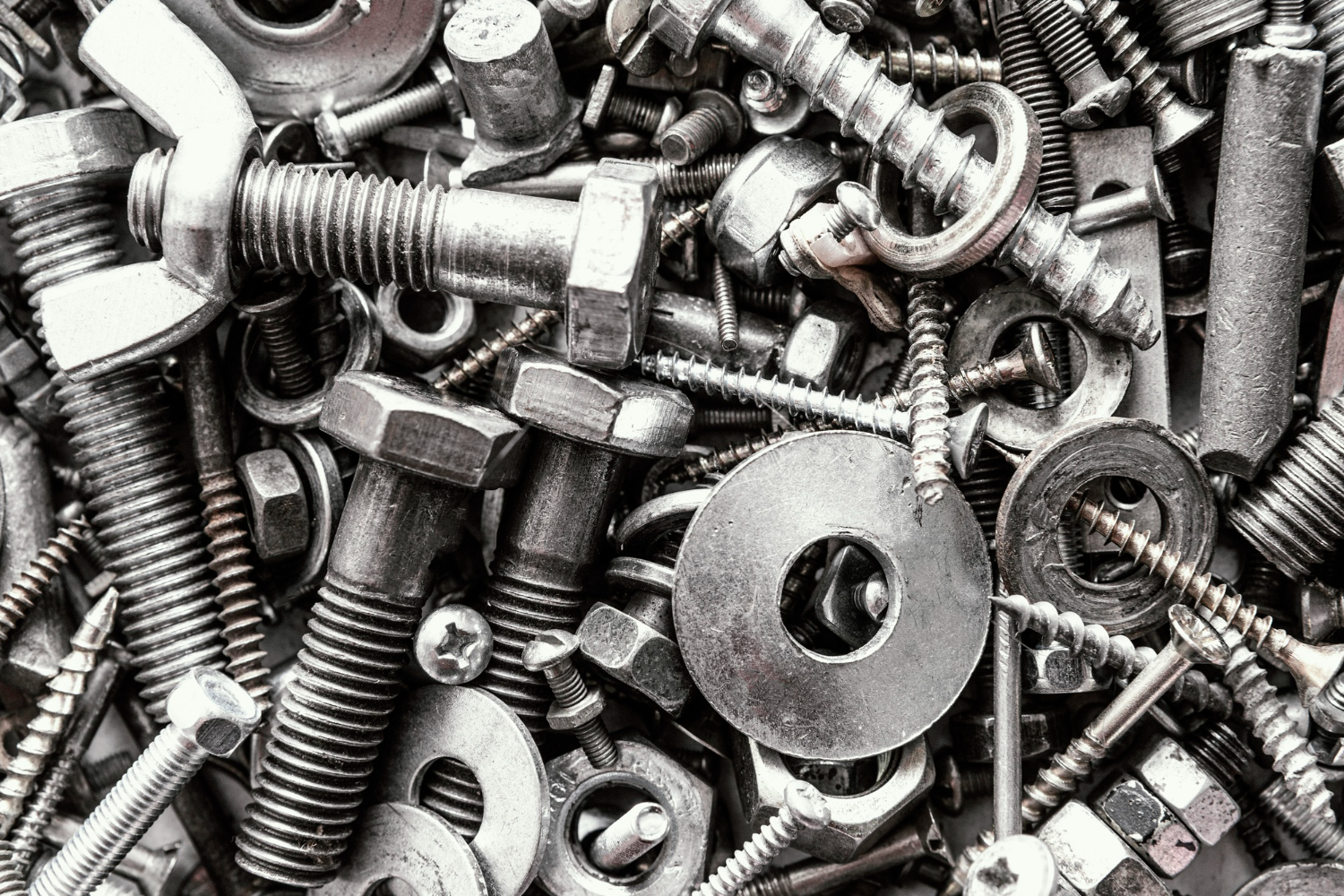
Walk into any hardware store, and you’ll find aisle after aisle of fasteners in every size, shape, and material imaginable. For someone new to DIY, it can be overwhelming. Should you use a screw, a nail, or a bolt? Does the length matter? What about the type of head or the material?
The truth is that each fastener is designed for a specific purpose. Using the right one not only makes your project easier but also ensures it’s strong, safe, and built to last. Here’s a practical guide to understanding the differences between screws, nails, and bolts—and when to use each one.
Why Fasteners Matter
Fasteners are what hold your projects together. Whether you’re hanging a picture, building a deck, assembling furniture, or repairing a fence, choosing the proper fastener affects the strength and durability of the finished job.
Using the wrong type can lead to loose joints, damaged materials, or even structural failure over time.
What Are Screws?
Screws are threaded fasteners that twist into wood, drywall, metal, or plastic. As they’re driven into a material, the threads grip the surface, creating a secure hold that’s difficult to pull apart.
Unlike nails, screws resist pulling forces exceptionally well, making them ideal for projects that may need to support weight or withstand movement.
Common Uses for Screws
Screws are perfect for:
- Building furniture
- Installing cabinets
- Hanging shelves
- Mounting TVs
- Deck construction
- Drywall installation
- Securing hinges and hardware
Because they can usually be removed without damaging the material, screws are also a great choice for projects that may need future repairs or adjustments.
Common Types of Screws
Not all screws are created equal. Each type is designed for specific materials and applications.
Wood Screws
Wood screws have coarse threads that grip lumber securely. They’re commonly used for woodworking projects, furniture, and framing.
Drywall Screws
These screws are designed specifically for attaching drywall to wood or metal studs. Their bugle-shaped heads sit flush with the wall surface without tearing the paper facing.
Deck Screws
Deck screws are coated to resist rust and corrosion, making them suitable for outdoor projects exposed to moisture.
Sheet Metal Screws
These screws have sharp threads that bite into thin metal, plastic, or other hard materials. Some require a pilot hole, while self-drilling versions create their own.
What Are Nails?
Nails are smooth metal fasteners driven into materials using a hammer or nail gun. Instead of threads, they rely on friction to stay in place.
Although they don’t grip as tightly as screws, nails are excellent at handling shear force—the side-to-side pressure that many structures experience.
That’s why they’re widely used in construction.
Common Uses for Nails
Nails are commonly used for:
- House framing
- Roofing
- Installing trim and molding
- Fencing
- Wood framing
- Flooring
- General carpentry
They’re quick to install and often preferred when speed is important.
Common Types of Nails
Common Nails
These heavy-duty nails are used for framing and structural construction.
Finishing Nails
With smaller heads that can be countersunk below the wood surface, finishing nails are ideal for trim, molding, and other visible woodworking.
Brad Nails
Brad nails are very thin and leave tiny holes, making them perfect for lightweight trim and delicate woodworking projects.
Roofing Nails
These nails have large, flat heads that help secure roofing materials without tearing them.
What Are Bolts?
Bolts differ from screws because they typically work together with a nut to clamp materials tightly together.
Instead of cutting threads into the material, a bolt passes through a pre-drilled hole, and a matching nut is tightened on the opposite side.
This creates an extremely strong connection that’s ideal for heavy-duty applications.
Common Uses for Bolts
Bolts are often used for:
- Deck framing
- Playground equipment
- Structural wood connections
- Metal fabrication
- Furniture assembly
- Machinery
- Automotive repairs
Whenever maximum strength is needed, bolts are usually the preferred choice.
Common Types of Bolts
Hex Bolts
The most recognizable bolt type, hex bolts feature a six-sided head and are commonly used in construction and machinery.
Carriage Bolts
Carriage bolts have a rounded head and a square section beneath it that prevents spinning while the nut is tightened. They’re frequently used in wood construction.
Lag Bolts (Lag Screws)
Despite the name, lag bolts are technically large screws with coarse threads. They’re driven directly into wood without a nut and provide exceptional holding power.
Anchor Bolts
Anchor bolts secure heavy objects to concrete or masonry and are commonly used for structural applications.
Screws vs. Nails
Both fasteners have their strengths.
Choose screws when you need:
- Strong holding power
- Easy removal
- Precise installation
- Long-term durability
- Furniture or cabinet assembly
Choose nails when you need:
- Fast installation
- Flexibility under movement
- Structural framing
- Trim work
- Large construction projects
Many professional builders use both on the same project because each serves a different purpose.
When Bolts Are the Better Choice
Bolts are ideal when:
- Heavy loads are involved
- Materials need maximum clamping force
- The connection may require future tightening
- Structural strength is critical
Because they use both a bolt and a nut, they’re generally stronger than either screws or nails for high-load applications.
Choosing the Right Material
Fasteners are available in several materials, each suited to different environments.
Steel
Strong and affordable, steel fasteners are commonly used indoors.
Stainless Steel
Highly resistant to rust, stainless steel is an excellent choice for outdoor projects and areas exposed to moisture.
Galvanized Steel
These fasteners feature a protective zinc coating that helps prevent corrosion, making them popular for decks, fences, and other exterior applications.
Brass
Brass screws offer an attractive appearance and resist corrosion, making them common in decorative hardware and marine applications.
Don’t Forget the Right Length
Fastener length is just as important as fastener type.
As a general guideline:
- A screw should penetrate the second piece of material by at least half its thickness.
- Nails should be long enough to provide a secure hold without protruding through the opposite side.
- Bolts should extend slightly beyond the nut after tightening, allowing all threads to engage properly.
Choosing the correct size helps create a stronger, safer connection.
Common Mistakes to Avoid
Beginners often run into problems by making a few simple errors:
- Using drywall screws for structural projects
- Choosing indoor fasteners for outdoor use
- Using nails where screws would provide a stronger hold
- Overtightening screws until they strip the material
- Selecting bolts that are too short or too long
Taking a few extra moments to choose the right fastener can save time and prevent future repairs.
Screws, nails, and bolts may seem similar at first glance, but each is designed to solve a different problem.
Screws offer excellent holding power and are easy to remove, making them ideal for most home improvement projects. Nails excel in framing and construction where speed and flexibility matter, while bolts provide the strongest connections for heavy-duty applications.
Understanding these basic differences will help you choose the right fastener with confidence. Whether you’re hanging a shelf, building a workbench, or tackling a larger renovation, using the proper fastener is one of the simplest ways to ensure your project is safe, secure, and built to last.