
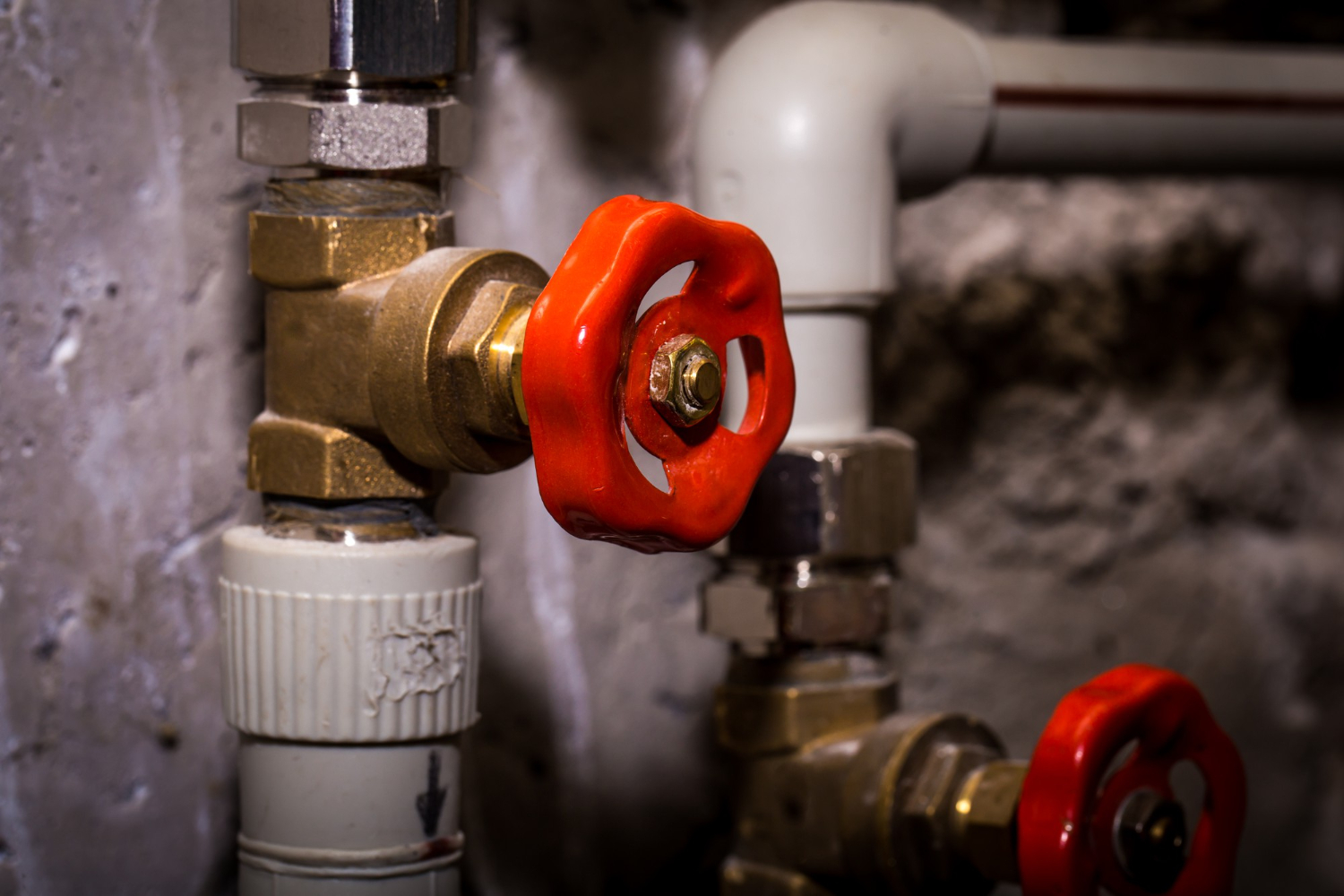
Every homeowner should know how to shut off the water in their house. It’s one of those skills that doesn’t matter—until it suddenly matters a lot. A burst pipe, a leaking appliance, or a plumbing repair can quickly turn into serious water damage if you don’t act fast.
The good news is that shutting off your home’s water supply is usually simple once you know where to look. The key is finding the right shutoff point before an emergency happens.
Why This Matters
Water damage spreads fast. Even a small leak can soak drywall, ruin flooring, and lead to mold if it isn’t stopped quickly.
Knowing how to shut off the water allows you to:
- Stop leaks immediately
- Prevent flooding during plumbing repairs
- Replace fixtures safely
- Avoid expensive water damage
This is one of those basic home skills worth learning ahead of time, not during a crisis.
Main Water Shutoff Location
Most homes have a main shutoff valve that controls all incoming water.
Where it’s located depends on your home’s design and climate:
- Basements: Near the front foundation wall where the water line enters
- Crawl spaces: Close to where the pipe comes through the floor or wall
- Slab homes: Often in a utility closet, garage, or exterior wall
- Warmer climates: Sometimes outside in a covered box near the meter
If you’re unsure, follow the water line from your water meter toward the house.
How to Turn Off the Main Water Supply
Once you locate the main shutoff valve:
1. Identify the valve type
There are usually two common types:
- A round wheel (gate valve) that turns clockwise
- A lever handle (ball valve) that turns 90 degrees
2. Turn it off
- For wheel valves: turn clockwise until it stops
- For lever valves: turn the handle so it is perpendicular to the pipe
3. Check that the water is off
Turn on a faucet inside the house. Water may still flow briefly, but it should stop quickly.
If it keeps running, the valve may not be fully closed or may be faulty.
Turning Off Water at the Meter
If you can’t locate or operate the main shutoff inside the home, you may need to shut it off at the water meter.
The meter is typically located:
- Near the street
- In a ground-level box outside your home
- Near the curb in colder regions
To shut it off:
- Open the meter box carefully
- Look for a valve on the supply line
- Use a wrench or meter key if required
- Turn it clockwise or perpendicular depending on valve type
In some areas, only the utility company is allowed to operate this valve, so check local rules if needed.
Individual Fixture Shutoffs
Not every situation requires shutting off water to the whole house.
Many fixtures have their own shutoff valves, usually located nearby:
- Toilets: Behind or below the tank (small valve on the wall)
- Sinks: Under the cabinet (hot and cold valves)
- Washing machines: Behind the appliance (two valves)
- Dishwashers: Under the sink or behind the unit
- Refrigerator water lines: Behind the fridge or under the sink
These are called fixture shutoff valves and are useful for minor repairs or leaks.
What If the Valve Is Stuck?
Older shutoff valves can become stiff or hard to turn.
If this happens:
- Don’t force it aggressively—you could break the pipe.
- Try gentle back-and-forth movement.
- Apply a small amount of penetrating lubricant if needed.
- Use a wrench carefully for extra leverage.
If it still won’t move, it may need to be replaced by a plumber.
Test Your Shutoff Valve
It’s a good idea to test your main shutoff valve once or twice a year.
To do this:
- Turn it off briefly
- Check that water stops at a faucet
- Turn it back on slowly
- Watch for leaks or dripping around the valve
This ensures it will work when you actually need it.
Know Your Pressure Relief Behavior
After shutting off the main water supply, you may still see a short burst of water from faucets.
That’s normal. It’s just residual water in the pipes draining out.
To clear pressure faster, you can:
- Turn on the highest faucet in the house
- Then open a lower-level faucet
This helps drain the system more quickly during repairs.
Common Mistakes to Avoid
A few simple mistakes can cause confusion during an emergency:
- Not knowing where the main shutoff is ahead of time
- Confusing gas and water shutoff valves
- Forgetting that some homes have multiple shutoffs
- Forcing a stuck valve until it breaks
- Assuming fixture valves shut off the entire house
A quick walkthrough of your home now can prevent stress later.
When to Call a Professional
You should contact a plumber if:
- The shutoff valve leaks when closed
- The valve is completely stuck
- Water continues running after shutting off
- Pipes make loud banging or shaking noises after shutdown
- You’re unsure which valve controls what
A working shutoff system is essential for safety and emergency response.
Shutting off your home’s water supply is one of the simplest but most important skills a homeowner can learn.
Whether you’re dealing with a leak, replacing a fixture, or preventing water damage during repairs, knowing exactly where your shutoff valves are—and how to use them—can save time, money, and stress.
Taking a few minutes to locate your main valve and test it today can make all the difference when an emergency happens tomorrow. Once you know where it is, you’ll never have to search for it under pressure again.