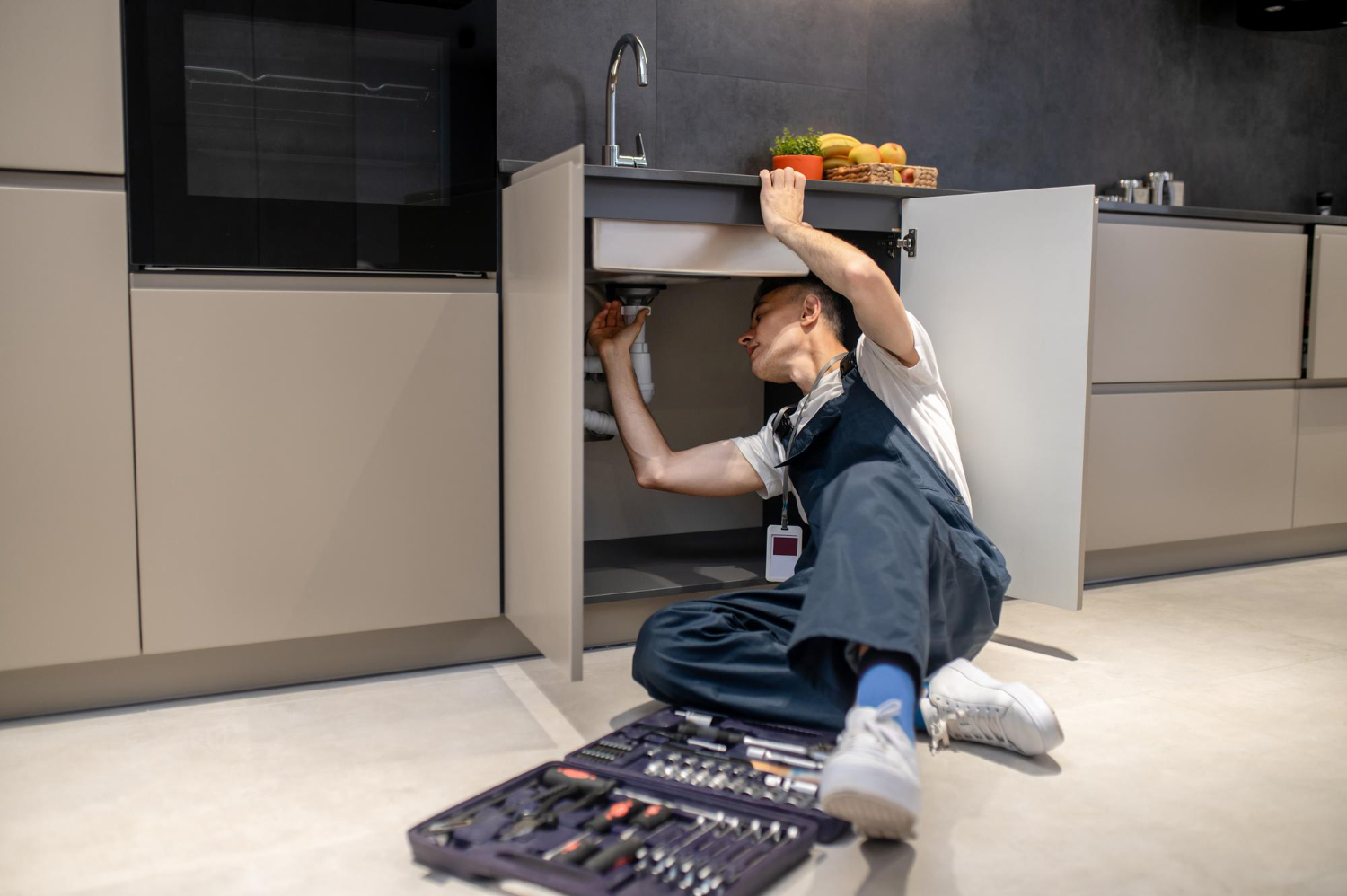
Not every home repair is a good candidate for DIY. While many plumbing fixes are simple—tightening a fitting, replacing a washer, or swapping out a faucet cartridge—others can quickly spiral into expensive damage if handled incorrectly.
The tricky part is that some of the most risky plumbing issues look simple at first glance. A small leak behind a wall, a slow drain, or a stubborn pipe connection can tempt homeowners into “just trying to fix it.” But in plumbing, what you can’t see often matters more than what you can.
Knowing when to step back is just as important as knowing how to fix things.
Repairs That Seem Simple but Aren’t
Some plumbing jobs give the illusion of being beginner-friendly. In reality, they involve pressure systems, hidden connections, or building code requirements that make mistakes costly.
Hidden pipe leaks inside walls
A damp spot on drywall or a faint musty smell often points to a leak behind the wall. The visible damage is only the surface symptom.
Trying to “guess” the exact location can lead to:
- Cutting into the wrong wall section
- Damaging electrical wiring
- Missing the actual leak source
- Creating additional water damage
Locating and repairing hidden leaks usually requires specialized tools and experience.
Main water line issues
Anything involving the main water supply line is high-risk. This line is under constant pressure and feeds the entire home.
Problems here include:
- Underground pipe leaks
- Corroded main shutoff valves
- Cracked service lines
A mistake in this area can lead to flooding or loss of water service to the entire home.
Drain Line Problems Beyond a Simple Clog
Most homeowners are comfortable using a plunger or a basic drain snake. But deeper issues inside drain systems are a different story.
Recurring or multi-fixture backups
If multiple drains are backing up at once, the issue is usually not in a single pipe. It often indicates a blockage in the main drain line.
DIY attempts to force the clog through can:
- Push debris deeper into the system
- Damage older pipes
- Temporarily mask a larger problem
At this point, professional inspection tools like cameras are typically needed.
Sewer line blockages
Sewer line issues go beyond inconvenience—they involve sanitation risks.
Common causes include:
- Tree root intrusion
- Collapsed pipes
- Severe buildup in old lines
These repairs require specialized equipment and safety precautions.
Pressurized Plumbing Systems
Anything under constant pressure deserves caution.
Water heater repairs
Water heaters combine plumbing, pressure, and sometimes gas or electrical systems. Mistakes here can be serious.
Risk areas include:
- Temperature and pressure relief valves
- Tank corrosion and leaks
- Improper drain valve handling
- Gas line connections (for gas heaters)
Even small errors can lead to leaks, flooding, or safety hazards.
Supply line modifications
Cutting into or rerouting pressurized water lines without proper fittings or sealing techniques can result in sudden failures.
Repairs Involving Soldering or Welding Pipes
Copper plumbing systems often require soldering, which involves heat, flame, and precise technique.
Common risks include:
- Fire hazards inside walls
- Weak joints that fail under pressure
- Damaging nearby materials
- Leaks that develop slowly over time
Without experience, soldered joints are one of the easiest places for hidden plumbing failures to develop.
Gas-Connected Appliances (Important Safety Boundary)
Any plumbing system connected to gas appliances—such as combined water heater systems—should never be treated as a casual DIY project.
Even though gas lines aren’t strictly “water plumbing,” they often intersect in utility areas.
Mistakes can result in:
- Gas leaks
- Fire hazards
- Carbon monoxide risks
These systems require licensed professionals.
Improper Use of Chemical Drain Cleaners
While not a “repair” in the traditional sense, many homeowners rely on chemical drain cleaners as a quick fix.
The problem is that they often:
- Corrode older pipes
- Fail to remove deep blockages
- Create dangerous chemical reactions if mixed
- Damage seals and fittings over time
In some cases, they make future repairs harder by degrading pipe materials.
Pipe Replacement Without Proper Support
Replacing a section of pipe might seem straightforward, but plumbing systems depend on proper alignment and support.
DIY mistakes can include:
- Pipes sagging or misaligned
- Improper slope in drain lines
- Stress on joints causing future leaks
- Unsupported sections vibrating loose over time
Even if the repair “works,” it may fail months later.
When Small Leaks Hide Bigger Problems
Not every drip is just a worn washer or loose connection.
Red flags include:
- Repeated leaks in the same area
- Water stains returning after repair
- Unexpected drops in water pressure
- Sounds of running water with no visible source
These often point to deeper system issues rather than isolated failures.
When You Should Stop and Call a Plumber
A good rule of thumb: if the repair involves pressure, hidden piping, or the main supply, it’s worth reconsidering DIY work.
Call a professional if:
- The leak source cannot be clearly identified
- Water damage is spreading
- Multiple fixtures are affected
- Pipes are inside walls or ceilings
- You suspect sewer or main line issues
- Gas or combined utility systems are involved
Early intervention is almost always cheaper than correcting a failed repair.
Safe DIY vs. Risky Repairs
To keep things in perspective:
Generally safe for homeowners:
- Replacing faucet washers
- Fixing running toilets
- Tightening accessible pipe connections
- Replacing showerheads or hoses
- Clearing simple sink clogs
Higher-risk repairs:
- Hidden leaks inside walls
- Sewer line issues
- Water heater repairs
- Pipe soldering or major rerouting
- Main water line work
Knowing where the line is drawn helps prevent accidental damage.
DIY plumbing can be rewarding, especially for small, accessible repairs.
But plumbing systems are interconnected, pressurized, and often hidden behind walls or underground. That combination means small mistakes can lead to large consequences.
The safest approach is simple: handle visible, low-pressure fixes yourself, and leave complex or hidden system problems to professionals. Knowing when not to repair something is just as valuable as knowing how to fix it.