
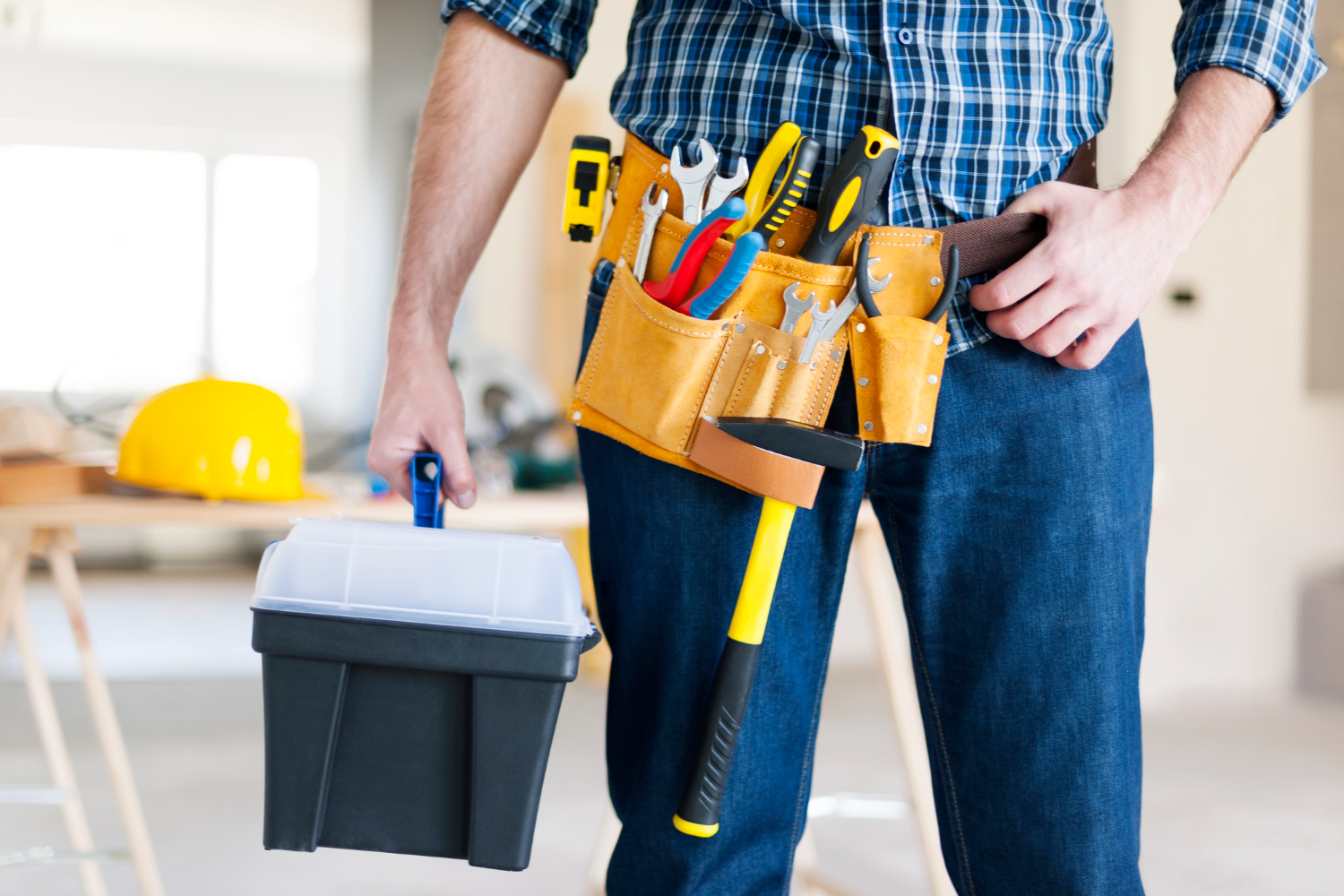
Learning how to tackle simple home repairs is a rewarding skill. Whether you’re hanging shelves, fixing a leaky faucet, patching drywall, or replacing cabinet hardware, doing the work yourself can save money and build confidence. But before you grab a hammer or power drill, it’s important to understand one thing: safety should always come first.
Most DIY accidents aren’t caused by complicated projects—they happen during routine repairs when people rush, skip protective equipment, or underestimate the job. Developing safe habits from the beginning helps prevent injuries and makes every project more enjoyable.
Start with the Right Mindset
One of the biggest mistakes beginners make is feeling like they have to finish a project no matter what. In reality, there’s nothing wrong with stopping to research a step, gather the proper tool, or decide that a repair is better left to a professional.
Home improvement isn’t a race. Taking your time leads to better results and fewer accidents.
Wear Basic Safety Gear
Protective equipment isn’t just for major renovations. Even small repairs can send debris flying or expose you to sharp edges.
Keep these essentials on hand:
- Safety glasses
- Work gloves
- Hearing protection for loud power tools
- Dust mask or respirator when sanding or cutting dusty materials
- Sturdy, closed-toe shoes
Choose gear that’s comfortable enough that you’ll actually wear it every time.
Use the Right Tool for the Job
Trying to make one tool do the work of another often leads to damaged materials—or injured hands.
For example:
- Don’t use a screwdriver as a pry bar.
- Don’t hammer nails with an adjustable wrench.
- Don’t force a drill bit that isn’t designed for the material you’re working on.
Quality tools that are used correctly are both safer and more effective.
Inspect Your Tools Before You Begin
Before starting any repair, take a minute to look over your tools.
Check for:
- Cracked handles
- Loose hammer heads
- Frayed power cords
- Dull blades
- Broken drill bits
- Missing safety guards
A damaged tool is more likely to slip, break, or cause an injury.
Keep Your Work Area Organized
A cluttered workspace creates unnecessary hazards.
Before you begin:
- Remove trip hazards from the floor.
- Keep tools within easy reach.
- Store screws and small parts in a container.
- Clean up spills immediately.
- Make sure there’s enough room to work comfortably.
An organized space also makes projects go more smoothly.
Read Instructions Before Starting
Whether you’re installing a ceiling fan or assembling a new shelf, take a few minutes to read the manufacturer’s instructions.
You’ll often find important information about:
- Required tools
- Proper installation order
- Weight limits
- Safety precautions
- Recommended fasteners
Reading first can save you from having to redo your work later.
Turn Off Utilities When Necessary
Some repairs require shutting off electricity, water, or gas before you begin.
For example:
- Turn off power before replacing outlets, switches, or light fixtures.
- Shut off the water before repairing plumbing fixtures.
- Never work on gas lines unless you’re properly trained.
If you’re unsure whether a utility should be turned off, err on the side of caution.
Use Ladders Safely
Many household injuries happen while working from ladders.
To reduce the risk:
- Use the correct ladder for the job.
- Place it on a level, stable surface.
- Maintain three points of contact while climbing.
- Never stand on the top step unless it’s designed for standing.
- Avoid leaning too far to one side.
If you can’t comfortably reach your work area, climb down and reposition the ladder.
Lift Properly
Home improvement often involves lifting bags of concrete, boxes of flooring, or heavy tools.
Protect your back by:
- Lifting with your legs instead of your back.
- Holding heavy items close to your body.
- Asking for help with oversized or awkward loads.
- Using a dolly or hand truck when appropriate.
There’s no prize for lifting something that’s too heavy on your own.
Watch for Hidden Hazards
Before drilling, cutting, or driving screws into walls, think about what’s behind the surface.
Potential hazards include:
- Electrical wiring
- Water pipes
- Gas lines
- HVAC ductwork
Using a stud finder with wire detection can help reduce the risk of accidentally hitting hidden utilities.
Work in a Well-Lit Area
Poor lighting makes even simple repairs more difficult.
Good lighting helps you:
- Read measurements accurately
- Spot hazards
- Align hardware correctly
- Avoid accidental slips
If necessary, use a portable work light to brighten dark areas.
Don’t Rush Power Tool Safety
Power tools make projects easier, but they also deserve respect.
Always:
- Read the owner’s manual.
- Wear eye protection.
- Keep both hands on the tool when appropriate.
- Wait for blades or bits to stop completely before setting the tool down.
- Unplug corded tools or remove batteries before changing blades or bits.
Never disable built-in safety features to save time.
Keep Children and Pets Away
A busy work area can be dangerous for curious children and pets.
During repairs:
- Keep tools out of reach.
- Store sharp objects safely.
- Block off the work area if possible.
- Never leave power tools unattended while plugged in or with the battery installed.
A few simple precautions can prevent accidents.
Know When to Stop
Some repairs are more complex than they first appear.
Consider calling a professional if the project involves:
- Major electrical work
- Gas lines
- Structural modifications
- Roof repairs
- Main plumbing lines
- Extensive mold or water damage
Recognizing your limits is part of being a responsible DIYer.
Build Good Habits Early
Safe DIY isn’t about being overly cautious—it’s about being consistent.
Simple habits like wearing safety glasses, cleaning up as you work, checking your tools, and reading instructions become second nature over time. Those habits can help prevent injuries and make future projects easier.
Home repair is a valuable skill that becomes more enjoyable as your confidence grows.
By putting safety first, using the proper tools, and taking a careful approach to every project, you’ll not only protect yourself but also produce better-quality results.
Every experienced DIYer started as a beginner. Building safe habits from day one lays the foundation for years of successful home repairs, whether you’re fixing a loose cabinet hinge or taking on a weekend renovation project. A little preparation goes a long way toward making every repair safer, smoother, and more satisfying.