
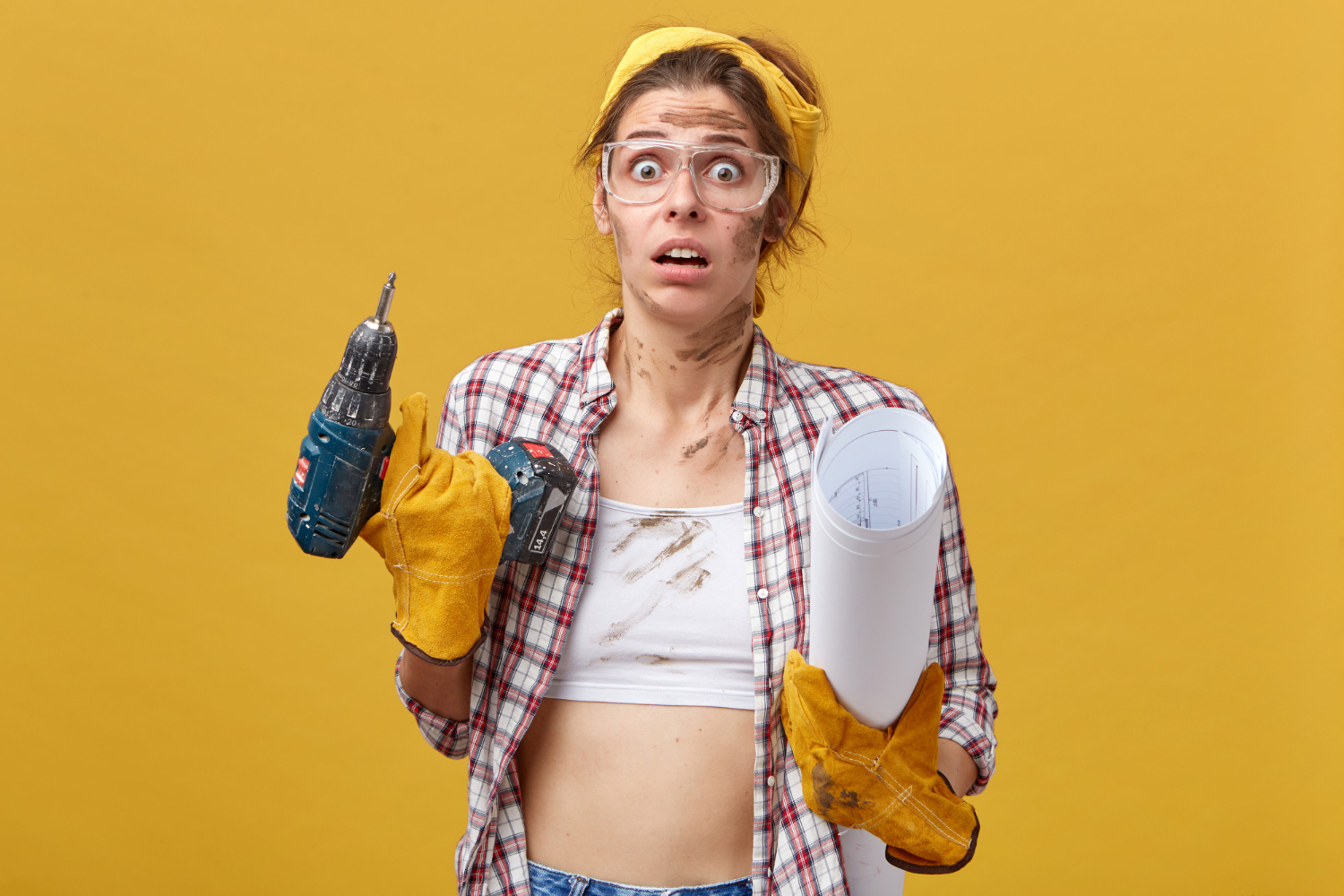
Taking on home improvement projects yourself can be incredibly rewarding. You save money, learn new skills, and gain the satisfaction of fixing or building something with your own hands. But every DIY project—whether it’s hanging a shelf or remodeling a bathroom—comes with some level of risk.
The good news is that most DIY injuries are preventable. They usually aren’t caused by complicated tools or difficult projects, but by simple mistakes that are easy to avoid with a little preparation and common sense.
Here are some of the most common DIY safety mistakes homeowners make and how to avoid them.
Skipping Safety Gear
One of the biggest mistakes is assuming a project is “too small” to require protective equipment.
Even a quick repair can expose you to:
- Flying wood chips
- Metal fragments
- Drywall dust
- Loud power tools
- Sharp edges
At a minimum, keep these items nearby:
- Safety glasses
- Work gloves
- Hearing protection
- A dust mask or respirator when needed
- Sturdy, closed-toe shoes
Putting on safety gear takes less than a minute and can prevent injuries that last much longer.
Using the Wrong Tool
Every tool is designed with a specific purpose in mind.
Trying to improvise by using a screwdriver as a chisel or a wrench as a hammer can damage the tool, ruin the project, and increase the chance of injury.
If you don’t have the proper tool, it’s usually safer to borrow, rent, or purchase the right one than to force another tool to do the job.
Ignoring the Condition of Your Tools
A damaged tool is often more dangerous than a difficult repair.
Before starting, inspect your equipment for:
- Loose handles
- Cracked housings
- Frayed power cords
- Dull blades
- Bent drill bits
- Missing safety guards
If something doesn’t look right, repair or replace it before using the tool.
Forgetting to Disconnect Power
Many DIY accidents happen because homeowners assume a switch has turned off all electrical power.
Before working on:
- Light fixtures
- Outlets
- Switches
- Electrical wiring
Always turn off the appropriate circuit breaker and verify that the circuit is no longer energized with a voltage tester.
The same principle applies to power tools—unplug corded tools or remove the battery before changing blades, bits, or accessories.
Rushing Through the Job
Trying to finish quickly often leads to skipped steps and careless mistakes.
Common examples include:
- Measuring only once
- Forgetting to tighten hardware
- Skipping cleanup
- Ignoring manufacturer instructions
- Working while tired
A slower, more deliberate pace usually results in safer work and better-quality repairs.
Working in a Cluttered Area
An untidy workspace creates unnecessary hazards.
Loose tools, cords, scrap materials, and spilled liquids can lead to:
- Trips and falls
- Lost hardware
- Damaged materials
- Reduced concentration
Take a few minutes to organize your workspace before you begin and clean up as the project progresses.
Misusing Ladders
Falls are among the most common causes of DIY injuries.
Avoid these mistakes:
- Standing on the top step
- Reaching too far to one side
- Placing the ladder on uneven ground
- Carrying heavy tools while climbing
- Using the wrong type of ladder for the task
If you can’t comfortably reach your work area, climb down and reposition the ladder instead of leaning farther.
Not Securing the Workpiece
Holding a board with one hand while cutting or drilling with the other is a recipe for trouble.
Whenever possible, use:
- Clamps
- A vise
- Sawhorses
- A sturdy workbench
A secure workpiece improves both safety and accuracy.
Wearing the Wrong Clothing
Loose clothing may seem harmless until it gets caught in a spinning drill or saw blade.
Avoid:
- Baggy sleeves
- Loose drawstrings
- Necklaces
- Bracelets
- Dangling earbuds
If you have long hair, tie it back before using power tools.
Ignoring Hidden Utilities
Before drilling into a wall or cutting into a floor, think about what could be behind it.
You could encounter:
- Electrical wiring
- Plumbing pipes
- Gas lines
- HVAC ducts
Use a stud finder with wire detection when appropriate, and never assume a wall is empty.
Lifting More Than You Can Handle
Many home improvement materials are heavier than they appear.
Instead of risking a back injury:
- Lift with your legs, not your back.
- Ask for help with bulky items.
- Use a dolly or hand truck when available.
- Break heavy loads into smaller trips.
There’s no advantage to lifting something that’s beyond your comfort level.
Ignoring Warning Signs
Sometimes tools or materials tell you something isn’t right.
Stop working if you notice:
- Burning smells
- Sparks
- Excessive vibration
- Cracked materials
- Strange noises
- Water where it shouldn’t be
Ignoring these warning signs can turn a minor issue into a major accident.
Leaving a Project Half-Finished Without Making It Safe
It’s common to pause a project and continue the next day.
Before walking away:
- Unplug tools.
- Remove batteries from cordless equipment.
- Store sharp tools safely.
- Cover exposed holes or openings.
- Keep children and pets away from unfinished work.
Taking a few extra minutes to secure the area reduces the chance of accidents.
Working Beyond Your Skill Level
DIY is a great way to build confidence, but not every repair is appropriate for beginners.
Projects involving:
- Electrical panels
- Gas lines
- Structural framing
- Major plumbing
- Roof repairs
often require specialized knowledge and experience.
Knowing when to call a professional isn’t a sign of failure—it’s a smart way to protect yourself and your home.
Forgetting to Read Instructions
Even if you’ve used a similar tool before, every model is different.
Take a few minutes to read:
- Tool manuals
- Product labels
- Installation guides
- Safety warnings
Manufacturers include these instructions for a reason, and following them can prevent both mistakes and injuries.
Build Safe Habits from the Start
The safest DIYers aren’t necessarily the most experienced—they’re the ones who consistently follow good habits.
That means:
- Wearing protective gear every time
- Keeping tools in good condition
- Planning projects before starting
- Staying focused
- Knowing when to ask for help
These habits become second nature with practice and make every project safer.
DIY home repairs can be enjoyable, cost-effective, and incredibly satisfying, but safety should never take a back seat to speed or convenience.
Most accidents happen because of simple oversights, not because a project is unusually difficult.
By wearing the right protective equipment, using tools correctly, keeping your workspace organized, and recognizing your limits, you’ll greatly reduce the risk of injury while improving the quality of your work. A careful approach doesn’t just make projects safer—it also helps ensure the finished result is something you can be proud of.